It is going to be a series of articles about the political climate in the States of India. The first article is going to be of the Central Indian state of Madhya Pradesh.
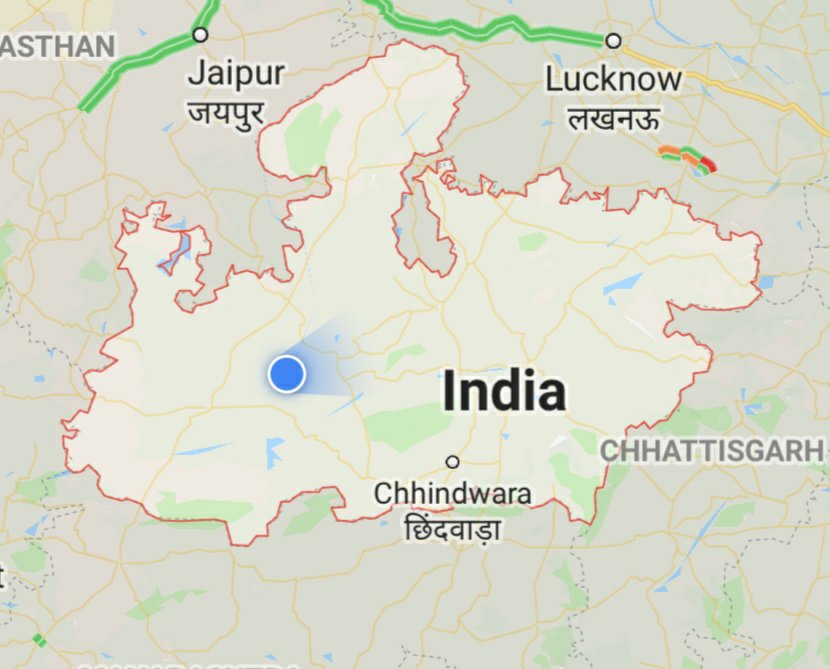
Madhya Pradesh is unique in its history and tradition but here we will be talking about the political history of its state which will not comprise of the entire political history but of mainly three Cheif Ministers which changed the fate of Madhya Pradesh- Digvijay Singh, Shivraj Singh Chauhan and Kamal Nath.
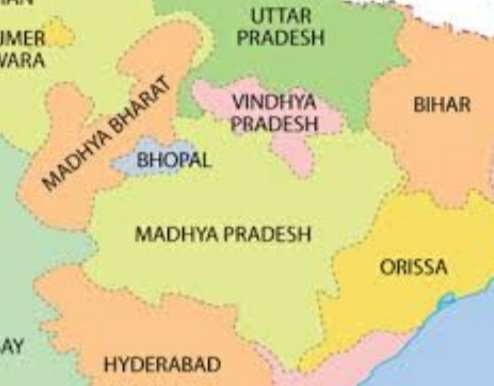
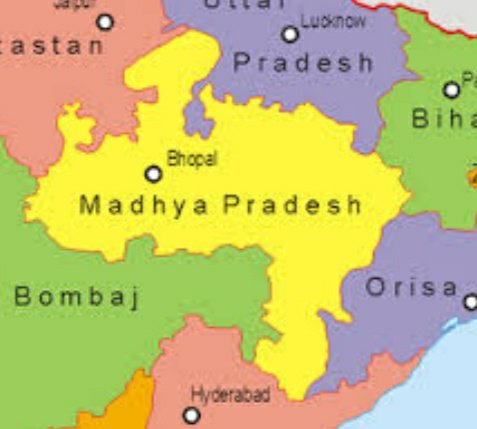
At the time of independence, Madhya Pradesh was divided into Madhya Bharat, Bhopal, Vindhya Pradesh and Madhya Pradesh. Under the state reorganization of 1956, a unified Madhya Pradesh came into existence.
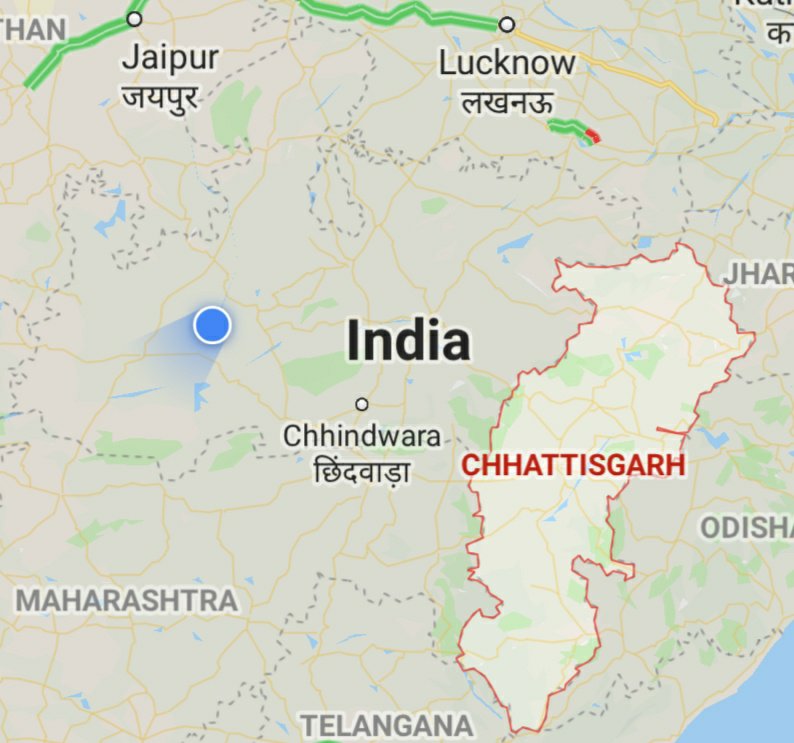
After demanding a separate state for the tribal people, Eastern and Southern Madhya Pradesh was finally carved out into a new state Chattisgarh.
Now coming back to its political history. Politics in this state is dominated by BJP and Congress. Until 2003, Madhya Pradesh was the stronghold of Congress until the BJP overthrew it in 2003. BJP too ruled in this state for 15 years until finally the Congress overthrew it in December 2018 and Kamal Nath was sworn in as cheif minister of the state.
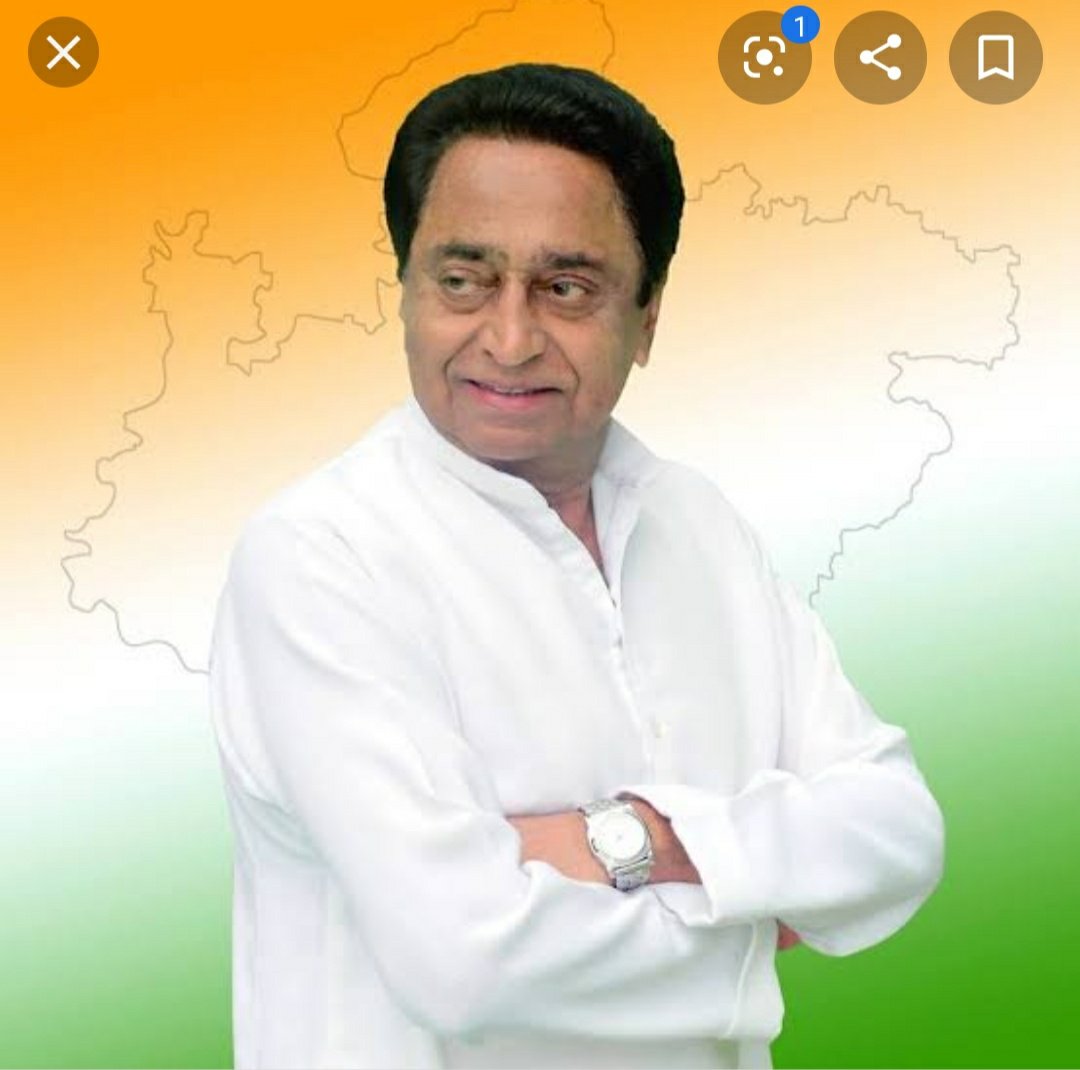
My article will generally focus on the tenure of former Cheif Minister Digvijay Singh, Former Cheif Minister Shivraj Singh Chauhan and current Cheif Minister Kamal Nath.
Digvijay Singh:-

In 1993, he resigned from the Lok Sabha because he had been appointed Chief Minister of Madhya Pradesh. His brother, Lakshman Singh, had been elected in 1993 as a Congress MLA in Madhya Pradesh from the same Raghogarh assembly constituency that Digivijaya had previously held. Lakshman resigned from the seat in favour of Digvijaya, who needed to be elected to the Madhya Pradesh Legislative Assembly in order to fulfill his role as Chief Minister. However, the scheme failed when a petition was filed that challenged the validity of Lakshman’s 1993 election. Digvijaya instead won the by-election from Chachoura constituency, which was vacated by the Former MLA Shivnarayan Meena that time for the purpose.
The Hindi Belt, of which Madhya Pradesh is a part, has a significant number of economically and socially disadvantaged Dalit and tribal communities. Through his policies, which have evoked both strong support and criticism among academics, Singh targeted the prospects of those people during his first term in office. These efforts attempted to arrest the declining support for the INC by those communities, who since the 1960s had increasingly been favouring the Bahujan Samaj Party (BSP), the Jana Sangh and its political successor, the BJP. He followed the example set by Arjun Singh in taking this approach, which was not adopted in others areas of the Belt such as Bihar and Uttar Pradesh. Sudha Pai says, “He was driven by both the political imperative to sustain the base of the party among these social groups and … a commitment to improve their socio-economic position.” The “Dalit Agenda” that resulted from the Bhopal Conference in 2002 epitomised the strategy, which by Digvijaya Singh’s time was more necessary than during Arjun Singh’s period in power because one outcome of the Mandal Commission had been increased Dalit desires for self-assertion. His approach to reform in what was still largely a feudal society was driven by a top-down strategy to achieve Dalit and Tribal support, as opposed to the bottom-up strategy of other belt leaders such as Mayawati and Lalu Prasad Yadav, who lacked Singh’s upper caste/class status and harnessed the desire for empowerment in the depressed communities through identity politics. Among the measures introduced to achieve his aim were the Education Guarantee Scheme (EGS), redistribution of common grazing land (charnoi) to landless dalits and tribals, free electricity for farmers, the promotion of Panchayati Raj as a means of delegating power to villagers and a supplier diversity scheme which guaranteed that thirty percent of government supplies would be purchased from the disadvantaged groups. There was less emphasis than previously on methods of assistance that were focused on reservation of jobs.
Returning to the Raghogarh constituency for the 1998 elections, Singh was re-elected and appointed by Sonia Gandhi to serve a second term as chief minister. Census data suggests that Singh’s education reforms had become a particularly successful aspect of his government. Those reforms included the construction of thousands of new village schools under the EGS, and may have been significant in increasing the literacy rate in Madhya Pradesh from 45 per cent in 1991 to 64 per cent in 2001. The improvement among girls was particularly high, growing from 29 per cent to 50 per cent.In his second term as Chief Minister, Singh sought to extend his decentralising, socially beneficial ideas by instituting reforms in healthcare that would guarantee a minimum level of care at panchayat level by financing the training of locally nominated healthcare professionals. This mirrored his earlier efforts in education and was known as the Healthcare Guarantee Scheme.
Chhattisgarh gained administrative independence from Madhya Pradesh in 2001 under the terms of the Madhya Pradesh Reorganisation Act. Singh was directed by Sonia Gandhi to ensure the selection of Ajit Jogi as the Chief Minister for the new state and this Singh did, although Jogi had been critical of his style of politics and Singh had personally preferred not to see him installed to that office. While Singh managed to convince the majority of Congress Legislator Party members to back Ajit Jogi, the absence of Vidya Charan Shukla and his supporters at the meeting raised questions about the exercise of seeking consensus because Shukla was the other main contender for the post. Subsequently, Singh met with Shukla in order to allay concerns.
Singh won the Raghogarh constituency again in 2003 but his party overall was heavily defeated by the BJP, as it also was in Rajasthan and Chhattisgarh.The defeat in Madhya Pradesh has been attributed in large part to deadlocks in the pursuit of development that had arisen as the Panchayati Raj and central government squabbled about the extent of their respective powers, and to frequent electrical power cuts. The latter resulted from thirty two percent of what had been the generation capacity of Madhya Pradesh now being in the new state of Chhattisgarh: while Chhattisgarh did not need all of that capacity, much of it had historically been used in the remainder of Madhya Pradesh, which now found itself having only around 50 per cent of the power that it required. Aditi Phadnis, a political journalist and author, also notes that in 1985, the state had been producing a surplus of electricity through a process of technical and administrative efficiency that was the envy of other areas, and that then “The State Electricity Board began to be looked upon as a milch cow by successive politicians, Digvijay Singh included.” Power was given away and no money was set aside for repairs and maintenance. One of Singh’s last proposals while in office was to write-off the electricity bills of 1.2 million people over the preceding three years; in this he was thwarted by the Election Commission of India, which ruled the proposal to be a breach of election rules. Singh had claimed that it was desirable because the farmers of the state — who needed electricity to power water pumps— had suffered three years of drought conditions.
Shivraj Singh Chauhan
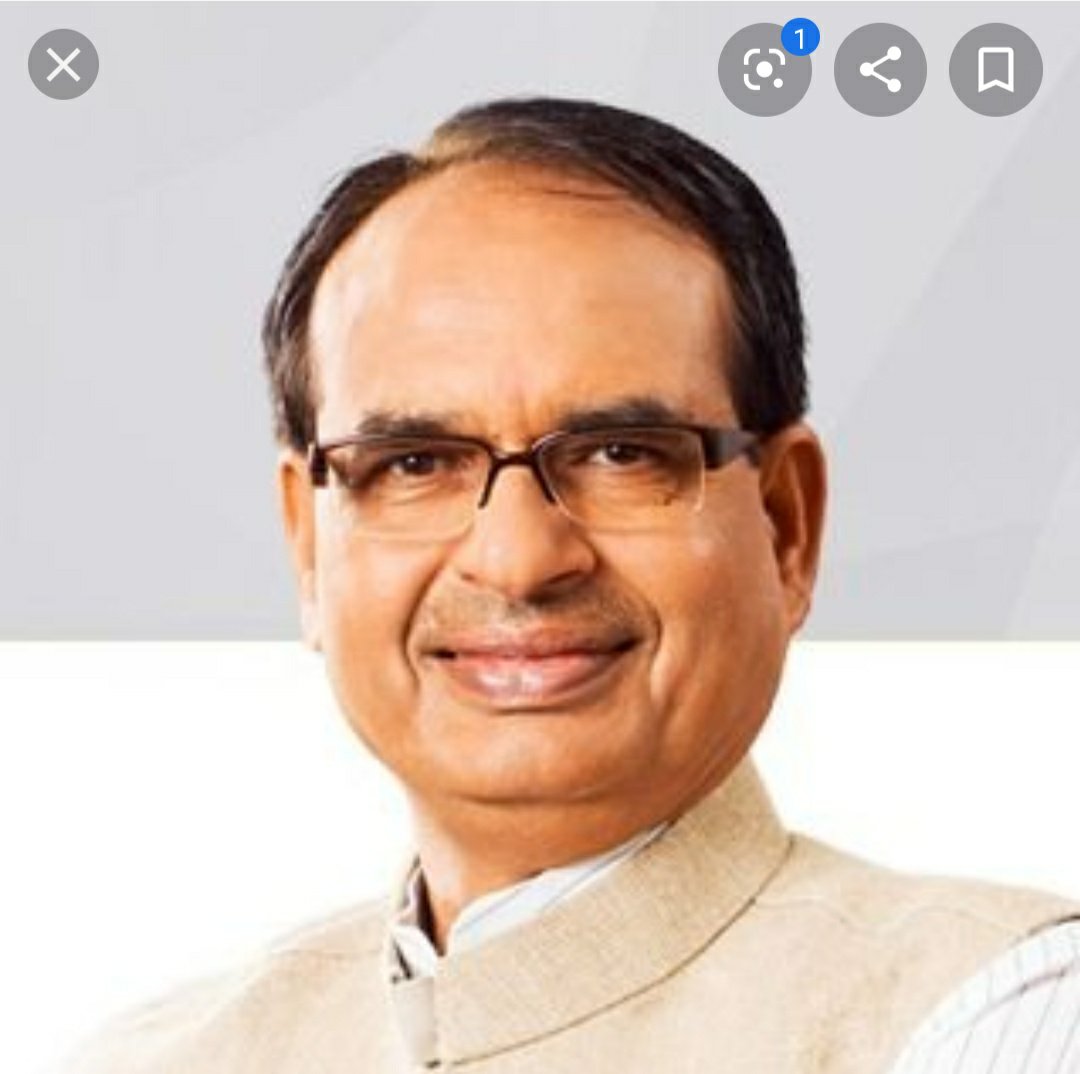
As the state BJP President, Chouhan was chosen to become the Chief Minister of Madhya Pradeshon 30 November 2005. He contested a by-election from Budhni assembly constituency the following year, winning his old seat by a margin of over 36,000 votes.
In 2008, Chouhan retained his Budhni seat by over 41,000 votes, and with it, led the BJP to a second consecutive victory in the state. On 12 December 2008, he was sworn in for his second term.
On 8 December 2013 Chouhan won Legislative Assembly elections in Budhni with 128,730 votes and Vidisha with 73,783 votes. He was also elected as Chief Minister of MP for a third term.
On 12 December 2018, after failing to gain a majority in the 2018 Madhya Pradesh assembly election, Chouhan resigned as CM.
During his tenure many developmental works took place. Roads were built and well maintained, electricity was provided to people 24*7, government nailed a major crackdown on high fees being garnered and made a major law that if anyone increased his fees above the limit, the contract of the school will be cancelled.Health conditions improved and Madhya Pradesh was finally uplifted from the tag of BIMARU state.
Kamal Nath:-
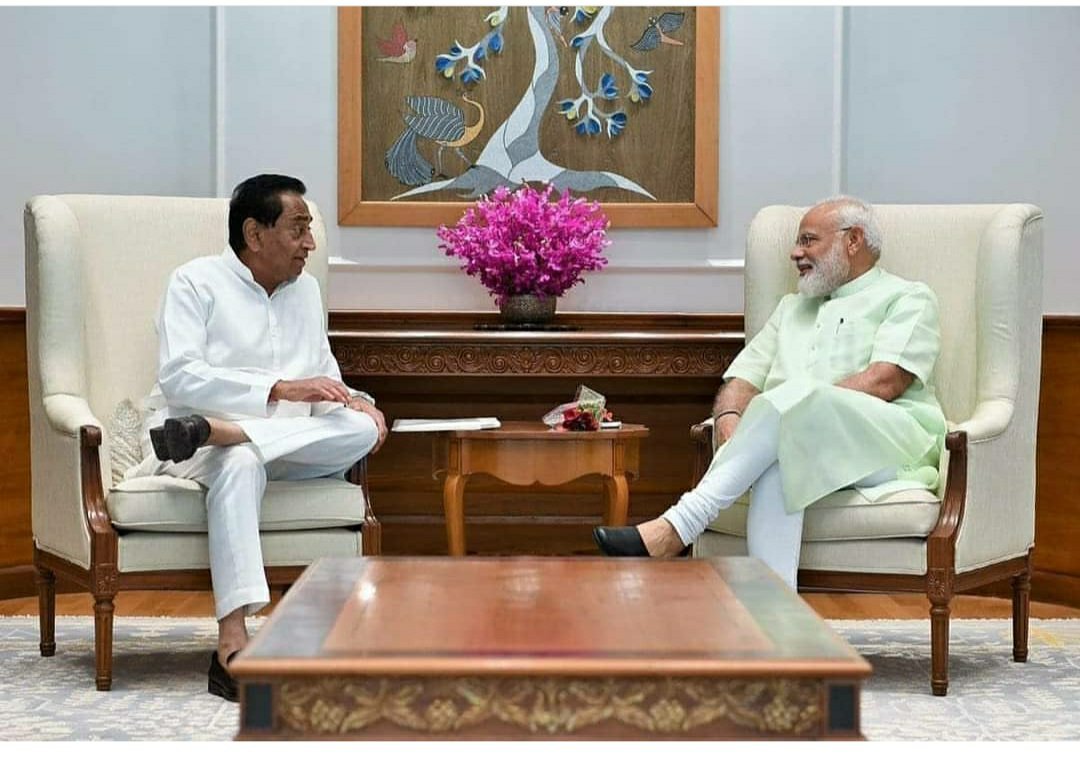
After 15 years of being exiled from power, Congress finally overthrew BJP regime and Kamal Nath was sworn in as cheif minister of Madhya Pradesh on 17 December 2018.
The main reason for the winning of Congress in Madhya Pradesh was that the people were simply bored of the BJP regime and were not satisfied with Shivraj Singh Chauhan’s work. Also, Kamal Nath and JyotirAditya Scindia were a promising face on which people banked on. Farming distress was the major reason Why BJP lost and Congress won in Madhya Pradesh. Since the government is only 8 months old, a lot of work has to be done. A major move come recently when Cheif Minister Kamal Nath inaugurated the construction of Bhopal Metro which will be called Raja Bhoj metro.

